
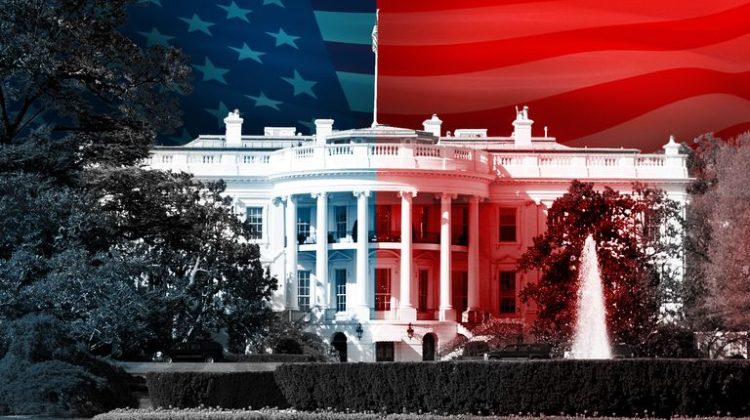
The US Elections Process and Its Impact
US Election Process
The US elections occur every four years, determining the next resident of the White House between a Democrat and a Republican candidate. Each party selects its presidential nominee, and the voting system varies across states. Some states permit all registered individuals to vote, while others restrict voting to registered party members. Interestingly, voters technically elect delegates who then support specific candidates, with each candidate accruing delegates based on the votes they receive.
Impact of Elections on Global Property Markets
Elections often influence global property markets, with notable effects such as the housing crisis. In the US, property prices reached unprecedented highs in November of the preceding year. The housing market in 2023 faced stagnation due to rising interest rates and decreased affordability for buyers and sellers alike. Analysts predict a potential decline in the housing market for 2024, primarily due to unaffordable pricing, with nearly 99% of the US population struggling with housing affordability.
Consumer Spending Behavior During Elections
During elections, consumer spending behaviors shift, particularly towards experiential activities rather than purchasing goods. This trend, particularly pronounced among younger demographics, emerged post-COVID-19. Research indicates that 88% of individuals seek new experiences during this period.
Impact on the Fashion Industry
Political events also impact the fashion industry, a significant global sector. Historically, fashion has served as a potent political statement, exemplified by movements such as the suffrage movement in the 1770s, where the choice of white clothing symbolized advocacy for voting rights. However, the responsibility for sustainability and ethical practices within the fashion industry needs to shift from consumers to the industry itself.
Market Volatility and Investor Behavior
Market volatility often stems from investor behavior rather than fundamental economic shifts. Studies show that only 10% of investors focus on company fundamentals, with the remaining 90% comprising professional trading entities. This dominance of trading entities can lead to significant market fluctuations, creating both challenges and opportunities for investors.
Impact on the Tourism Industry
The tourism industry holds substantial economic significance, contributing to 5% of the global GDP and providing 6 to 7% of total employment. Despite its value, US policies, such as restrictions on international travel, have impacted the industry. Measures like mandatory COVID-19 testing for travelers and bans on international travel during the pandemic have disrupted travel schedules and affected individuals’ mobility.
In conclusion, elections and related policies have far-reaching effects across various sectors, influencing everything from property markets to consumer behavior and international tourism. Understanding these impacts is crucial for navigating economic landscapes and policy changes effectively.